
Building a New Business Model to Support Whole-Farm Profitability and Great Lakes Health
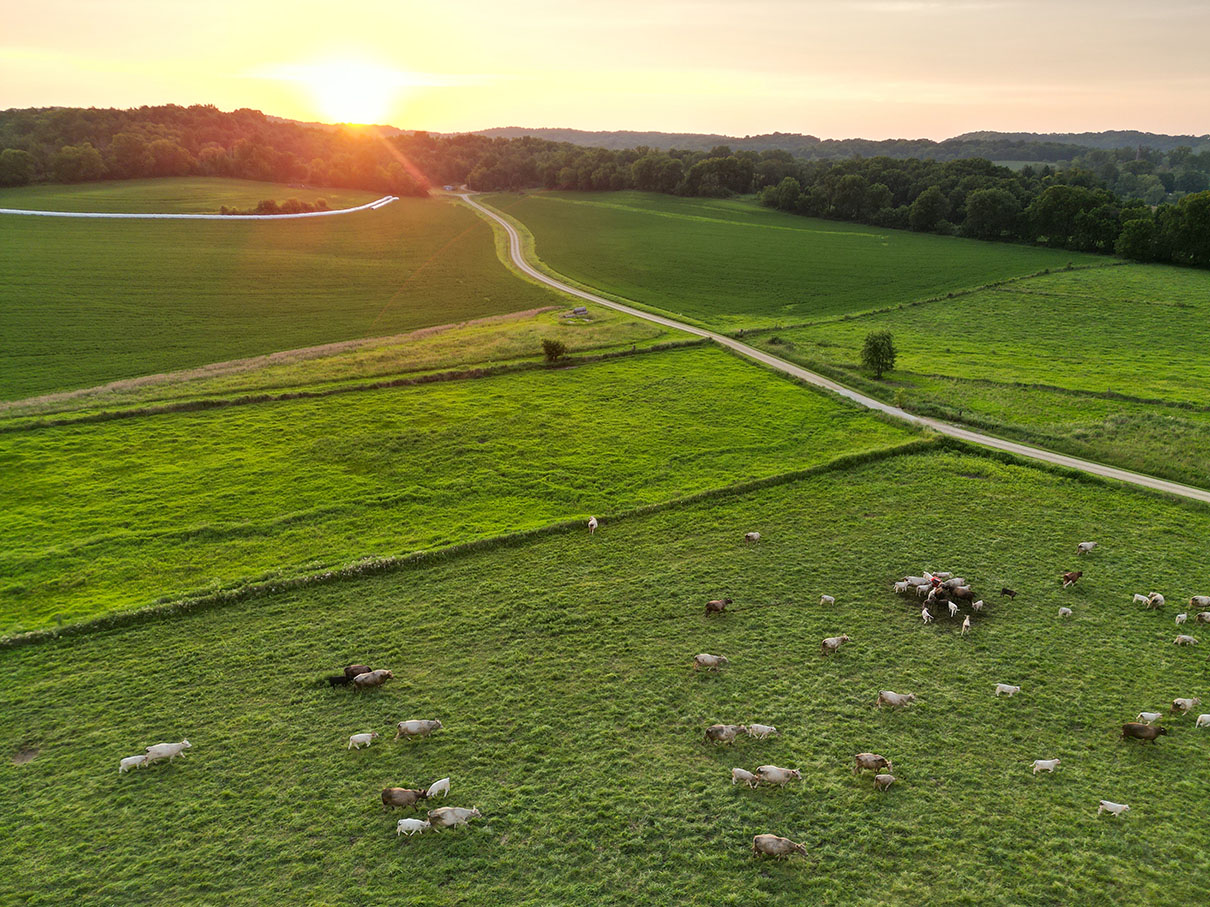
This team will reduce nutrient and sediment loss to the Great Lakes by creating a new agricultural service model focused on transitioning less-productive farm acres to other uses that improve water quality and increase farm profitability.
On less-productive acres, such as low, wet areas, conventional practices can cost farmers money while contributing disproportionately to nutrient runoff and erosion. This team will work with farmers and agricultural service providers (businesses farmers rely on for fertilizer and other inputs, technology and advice) to build an advisory business model centered on whole-farm profitability rather than yield alone, so that what is good for a farm’s finances is also good for water quality.
Over three years, participating service providers will pilot the model on more than 4,000 acres in the Maumee River watershed in Ohio and Michigan and the Fox River watershed in Wisconsin. The team will combine farm economics with soil, crop, and water quality data to identify alternatives such as more precise nutrient management, different crops, or conservation uses. Providers and farmer networks will test the service packages, pricing, and contracts needed for successful implementation.
The team will share tools and lessons with other providers and farmer networks. By making these services commercially viable, the project aims to accelerate adoption across the Basin. The longer-term ambition is to bring whole-farm profitability services to one million acres, helping farmers strengthen their businesses while reducing losses of nutrients and sediment to waterways.